
Special issue newsletter - 12th ESLA Congress
Special issue Newsletter - 12th ESLA Congress
Welcome to our Special Issue - 12th ESLA Congress newsletter!
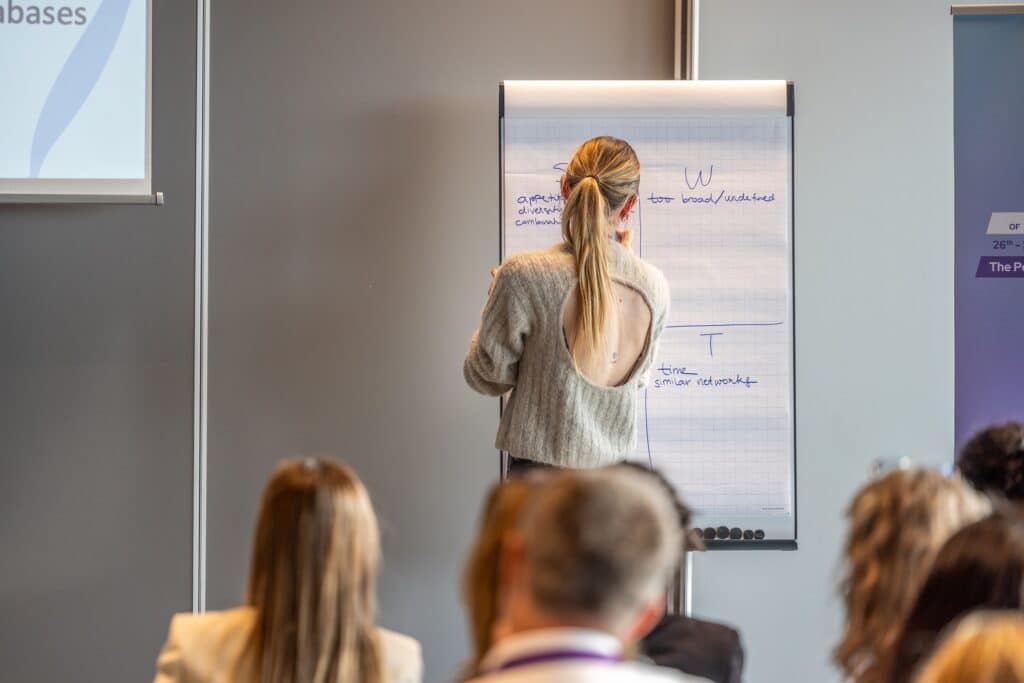
The 2024 ESLA Congress - 12th edition
The 2024 ESLA Congress, held from September 26 to 28 in the picturesque city of Bruges, Belgium, was an outstanding success. Over 500 SLTs from 44 countries across Europe and beyond came together to engage in vibrant discussions on the Congress theme, "The Power of Communication in the Quality of Life." The event highlighted the importance of our profession in transforming lives and improving well-being.
The Congress covered a wide range of topics, also touching on the latest technological advancements in the field. The talks and poster sessions were a testament to how adaptable and innovative our profession is, constantly evolving to meet the diverse needs of our clients. Whether it was discussions on motor learning principles for speech sound disorders or understanding the complexities of adolescent language development, the congress illuminated the power of communication to improve quality of life.
Keynote highlights
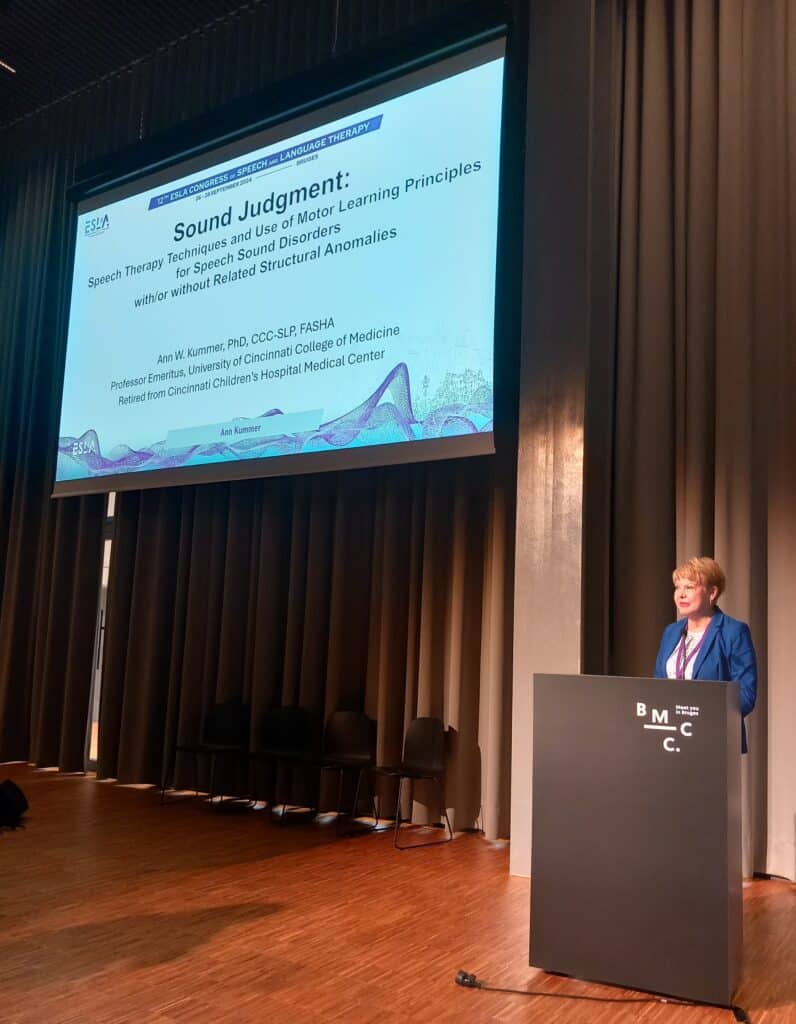
Keynote 1: Ann Kummer, PhD, CCC-SLP, Professor Emeritus, University of Cincinnati College of Medicine, USA
“Sound Judgement: Speech Therapy Techniques and Motor Learning Principles for Speech Sound Disorders with/or without Related Structural Anomalies”
Ann Kummer brought the audience into her “therapy kitchen,” sharing her “cookbook” of most effective “recipes” (i.e., strategies) for managing speech sound disorders with related structural anomalies. She emphasised the importance of distinguishing between obligatory and compensatory errors when working with structural anomalies and demonstrated how motor learning principles can support motor memory - essential for carryover in speech therapy. Like learning to play the piano, consistent practice is the key to success in therapy.
Keynote 2: Paula Leslie, PhD, MA (Bioethics), Professional Advisor at the Royal College of Speech and Language Therapists, UK
“Telos & Techne: Why Do We Eat?”
Paula Leslie captivated the audience with her exploration of swallowing as more than just a biomechanical act, highlighting its deep connection to cultural identity and life participation. She framed eating and drinking as a three-act story: life before a significant event like a stroke, the challenges that necessitate intervention, and the path to resolution. Her emphasis on incorporating comfort foods, understanding eating habits, and acknowledging the cultural and familial dimensions of food resonated deeply with the audience, as she reminded us that it’s most often the participation in life, not just the swallow, that dysphagia disrupts.
Keynote 3: Tena Macnamara, AuD, CCC-A/SLP, President of the American Speech-Language-Hearing Association
“Disability and Ableism”
Tena Macnamara delivered a powerful talk on the impact of ableist language and its implications within the field of speech and language therapy. She challenged the audience to rethink the language we use, providing concrete examples like “falling on deaf ears” and “turning a blind eye,” which subtly perpetuate ableism. She encouraged the listeners to acknowledge disability in ways that honour individuals' lived experiences, with practical tips like believing when someone discloses a disability, avoiding assumptions, and providing accommodations as needed.
Keynote 4: Victoria Joffe, PhD, University of Essex, UK
“The Role of the Speech and Language Pathologist in Working with Adolescents and Young People with Speech, Language, and Communication Needs”
Victoria Joffe shone a spotlight on the critical, yet often overlooked, stage of language development during adolescence. She emphasised that language continues to evolve well past early childhood, while SLT services for adolescents remain limited. Joffe urged practitioners to engage with adolescents as partners in therapy, crafting interventions that resonate with their unique interests and needs. She also provided practical examples of how SLTs can work with schools, especially by training teaching assistants to deliver targeted interventions, ensuring young people with language disorders can thrive.
Keynote 5: Youri Maryn, PhD, Doctor in Social Health Sciences at Ghent University, Clinical SLP at the European Institute for ORL-HNS, Belgium
“Voice, Voice Quality, and the Treatment of Voice Disorders”
Youri Maryn highlighted the connection between voice quality and overall quality of life, underscoring the importance of precise measurements in diagnosing and treating voice disorders. He stressed the need for accurate acoustic recordings and well-designed clinical spaces to ensure reliable assessments. His talk was a timely reminder of how critical objective voice measurements are to effective therapy.
Looking ahead
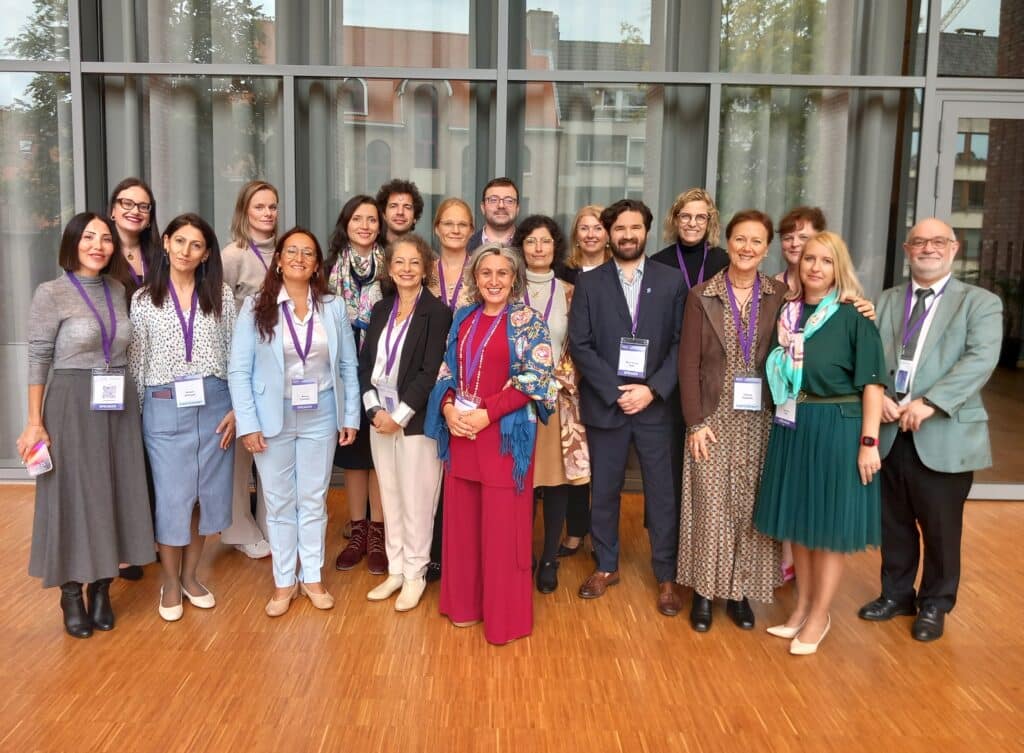
As the 2024 ESLA Congress draws to a close, we are filled with anticipation for the next gathering in 2027. In three years, the ESLA Congress will be back with the latest results from research conducted in the domain of Speech and Language Therapy as well as continued advancements of therapy techniques, technologies, and AI.
We know that the future of speech and language therapy is bright.
We look forward to welcoming even more SLTs from around the world to continue this important work of improving lives through communication.